Turn AI visibility into your next growth advantage.




















The growth system
for the AI-first buyer journey
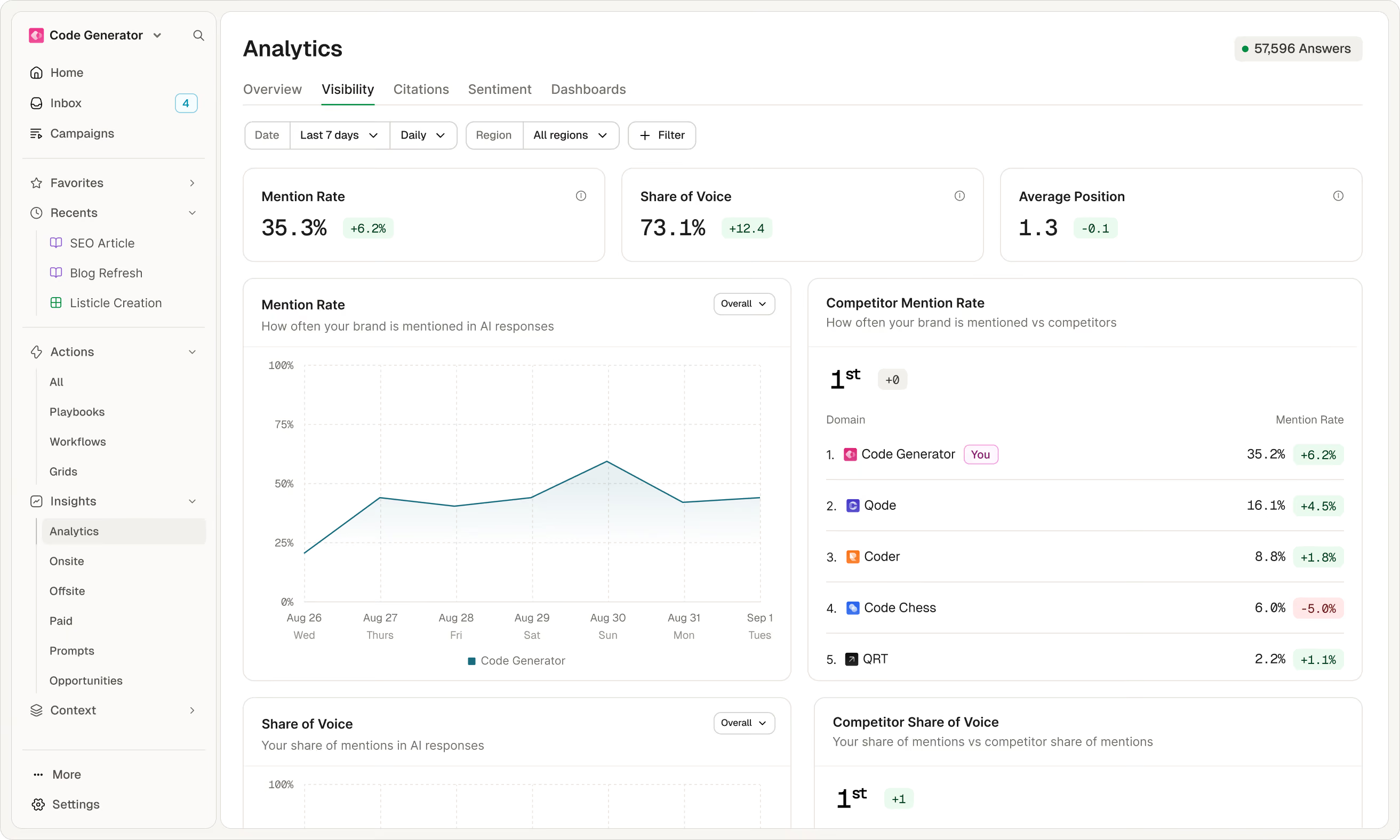
Connect intelligence, action, and measurement in a continuous loop
Intelligence
Action
Measurement
Measure the market, not the prompt list
Prompt-tracking tools run a selected list of questions through AI engines and count how often your brand appears for any buyer, not your ICP.
Generic, volume-based prompt tracking scores give you a false sense of confidence. A strong visibility score across a broad category feels good, but often hides a weakness with the customers you actually need to win.
Category Influence Overview
$54.2M
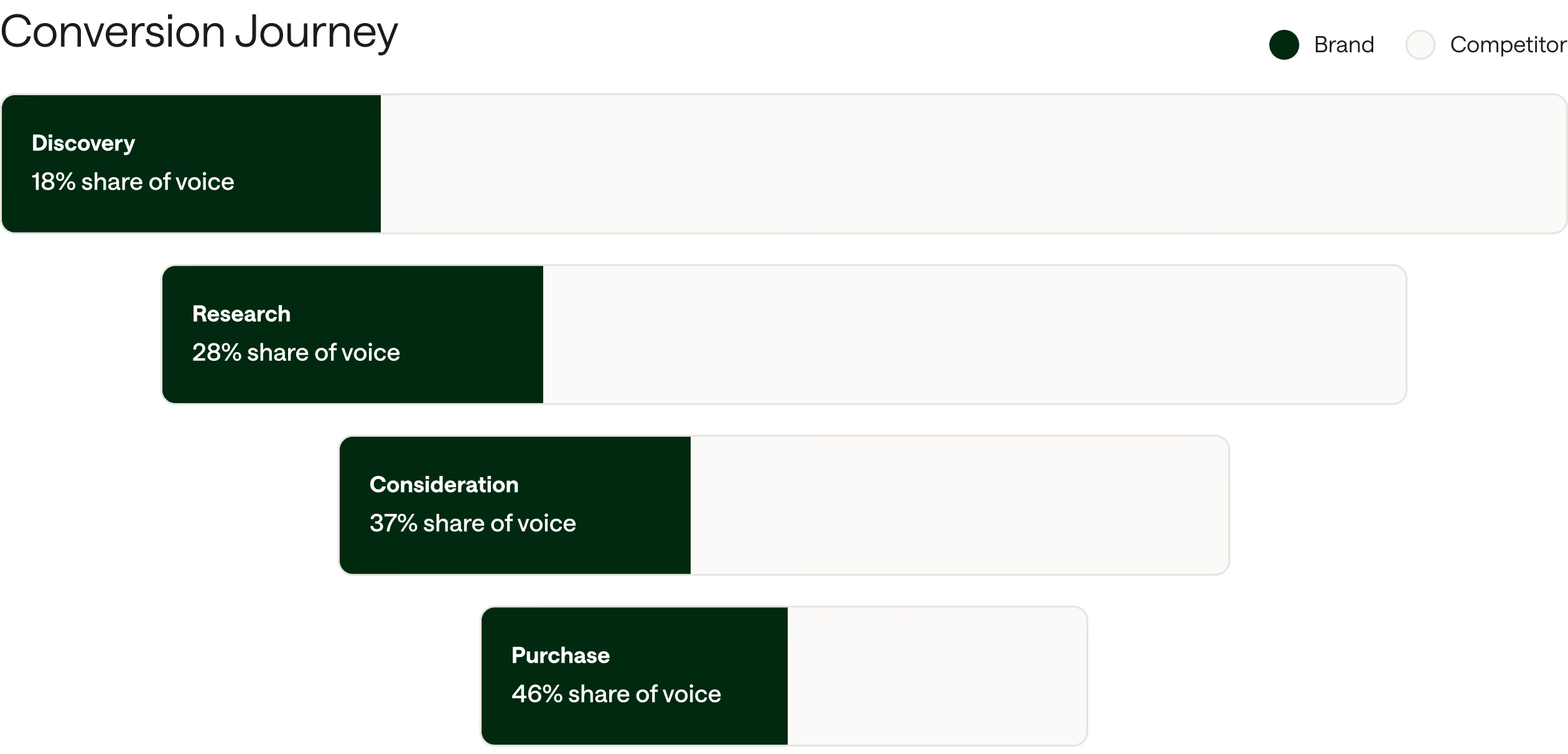
1. See the market
2. Size the opportunity
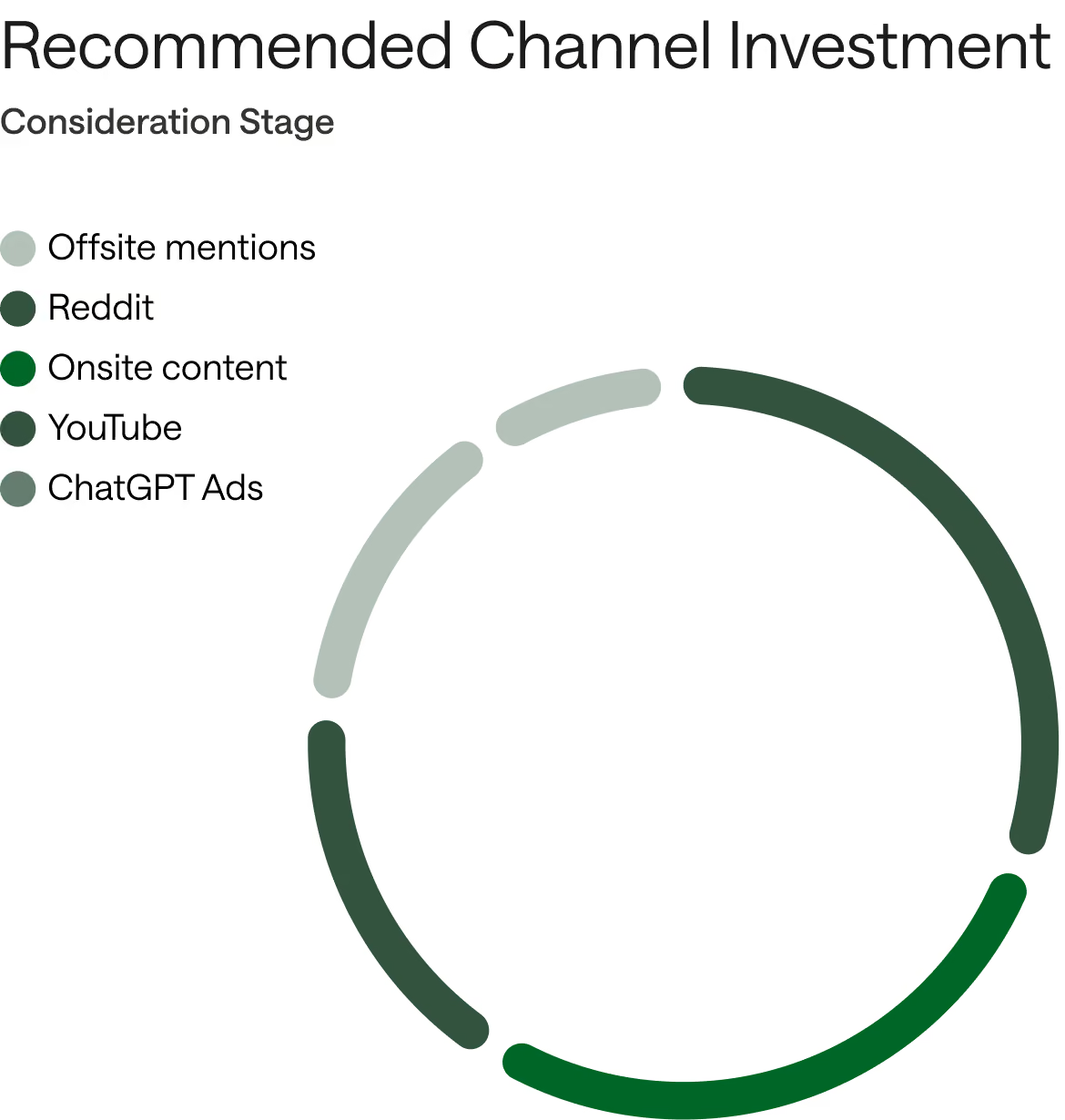
3. Know where to focus
The data advantage behind every insight
Built on real buyer signals to know what drives real outcomes for your brand.
47M observed actions
6B citations
10M AI search journeys
70M high value prompts
A leading corporate card provider wanted to grow their share of voice with enterprise buyers. While prompt tracking said they had already won, AirOps opportunity data showed the true gap.
Run the work required to win the category
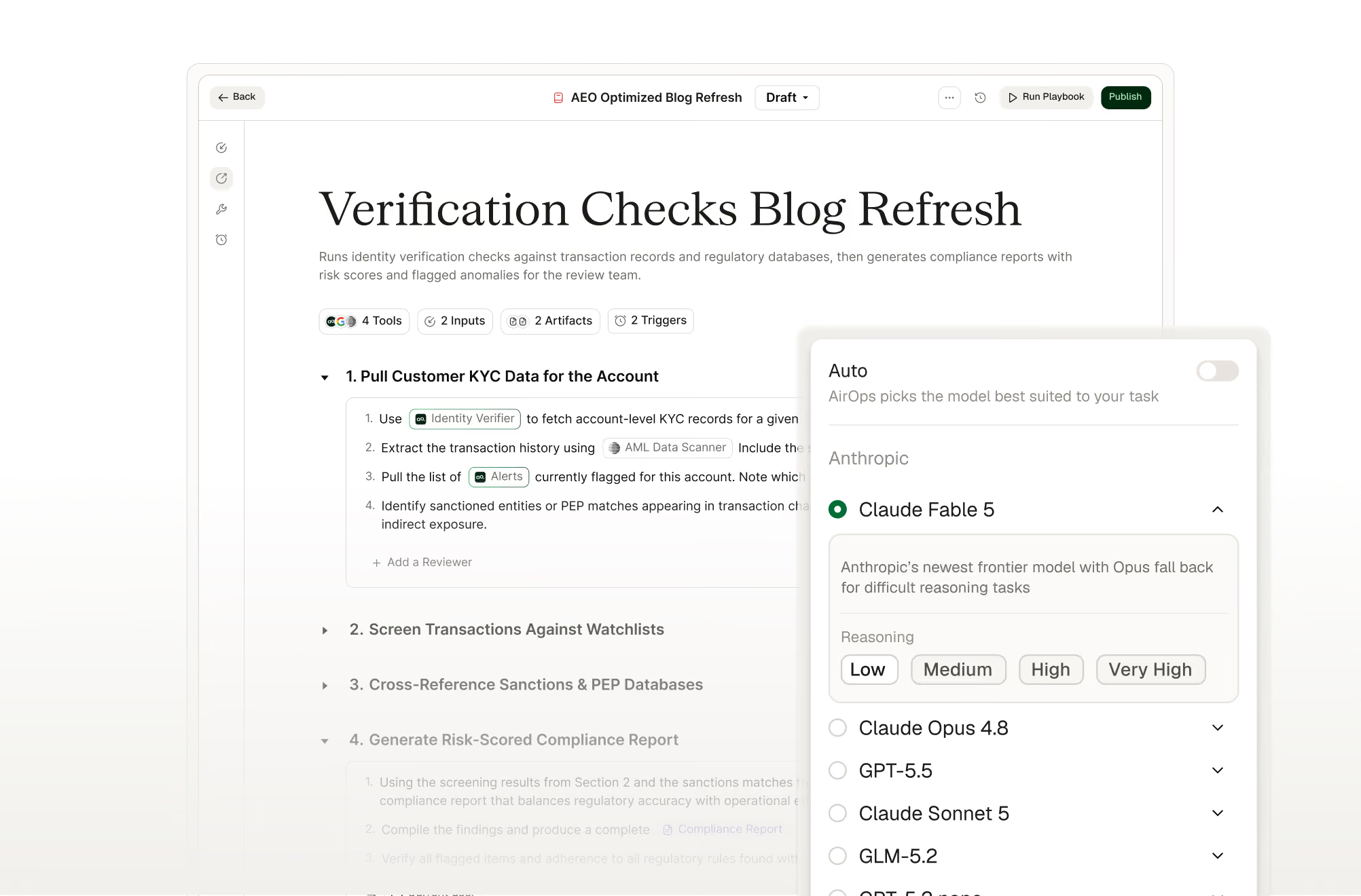
Run long-horizon agents to scale complex growth programs
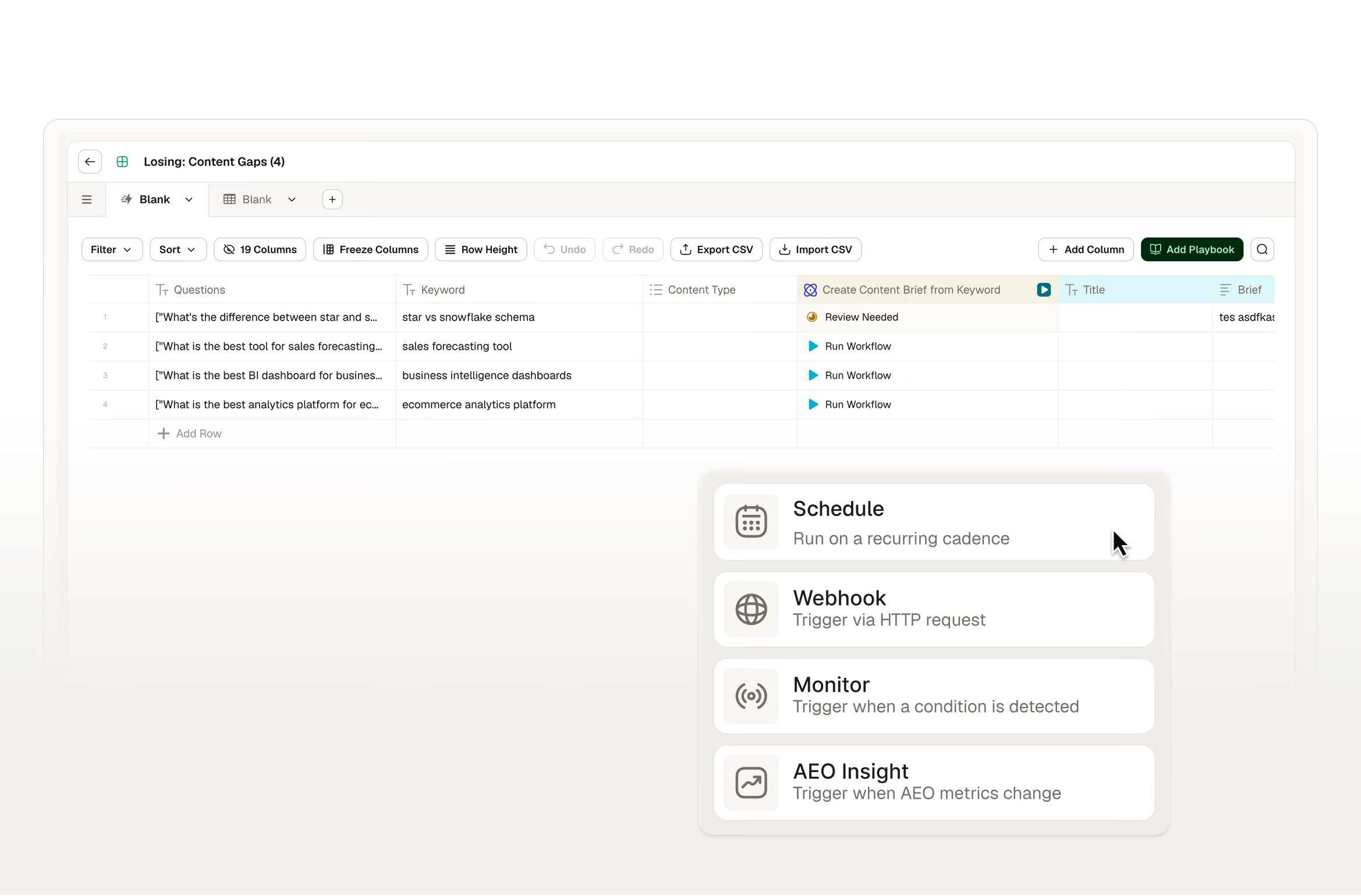
Turn changing signals into automated action with triggers
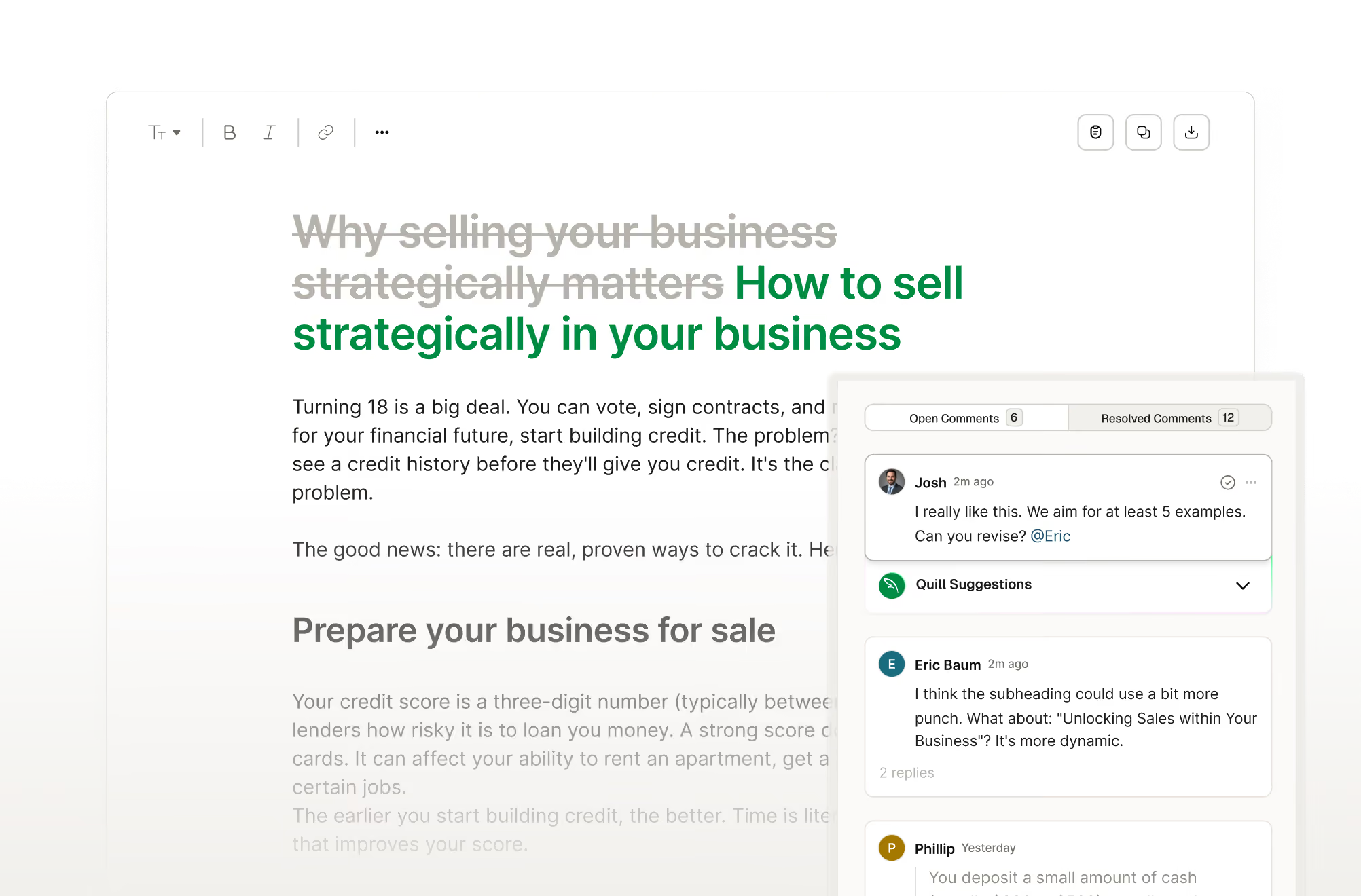
Pause for review when human judgment matters most
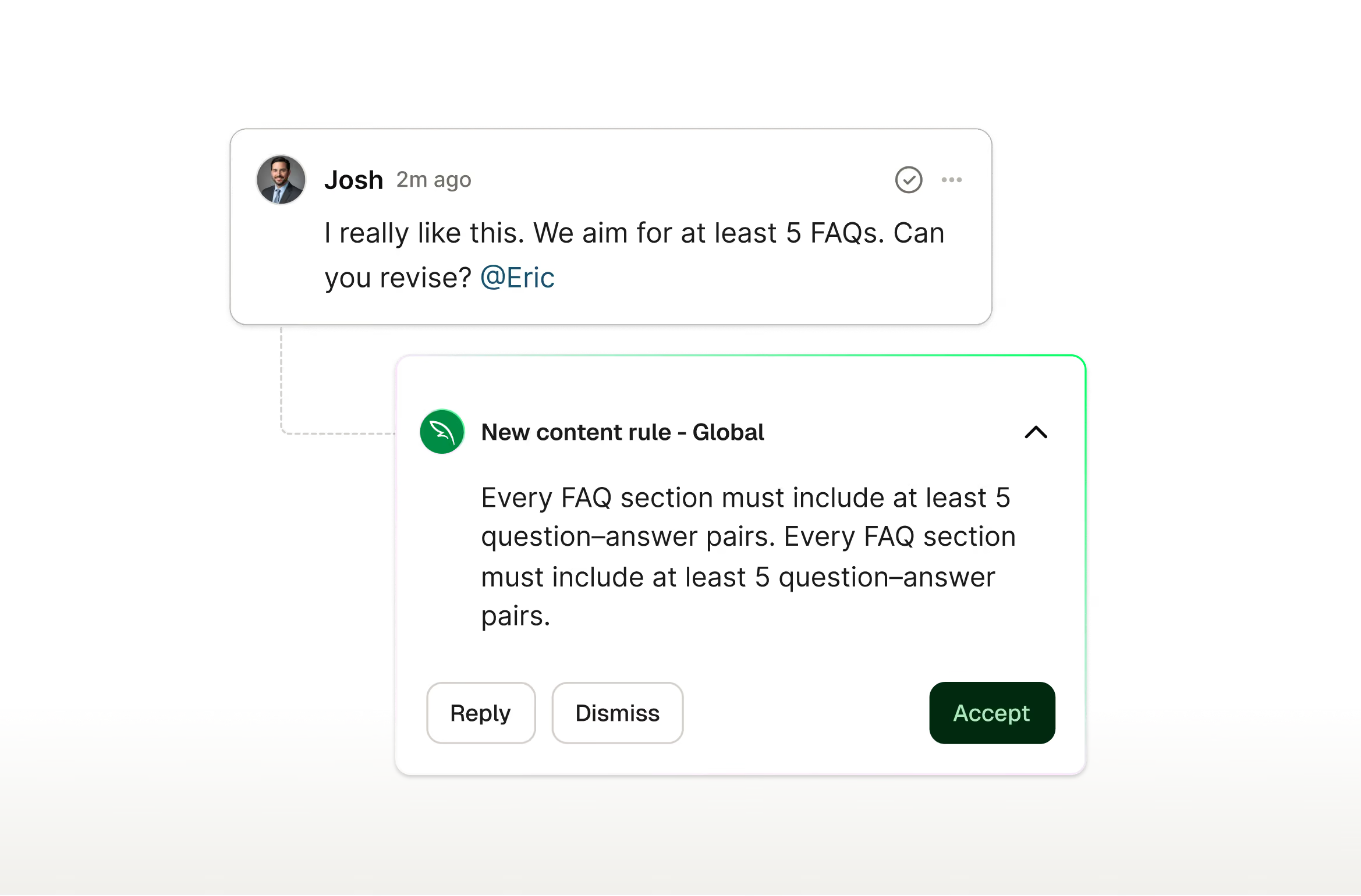
Make every run better than the last with persistent memory
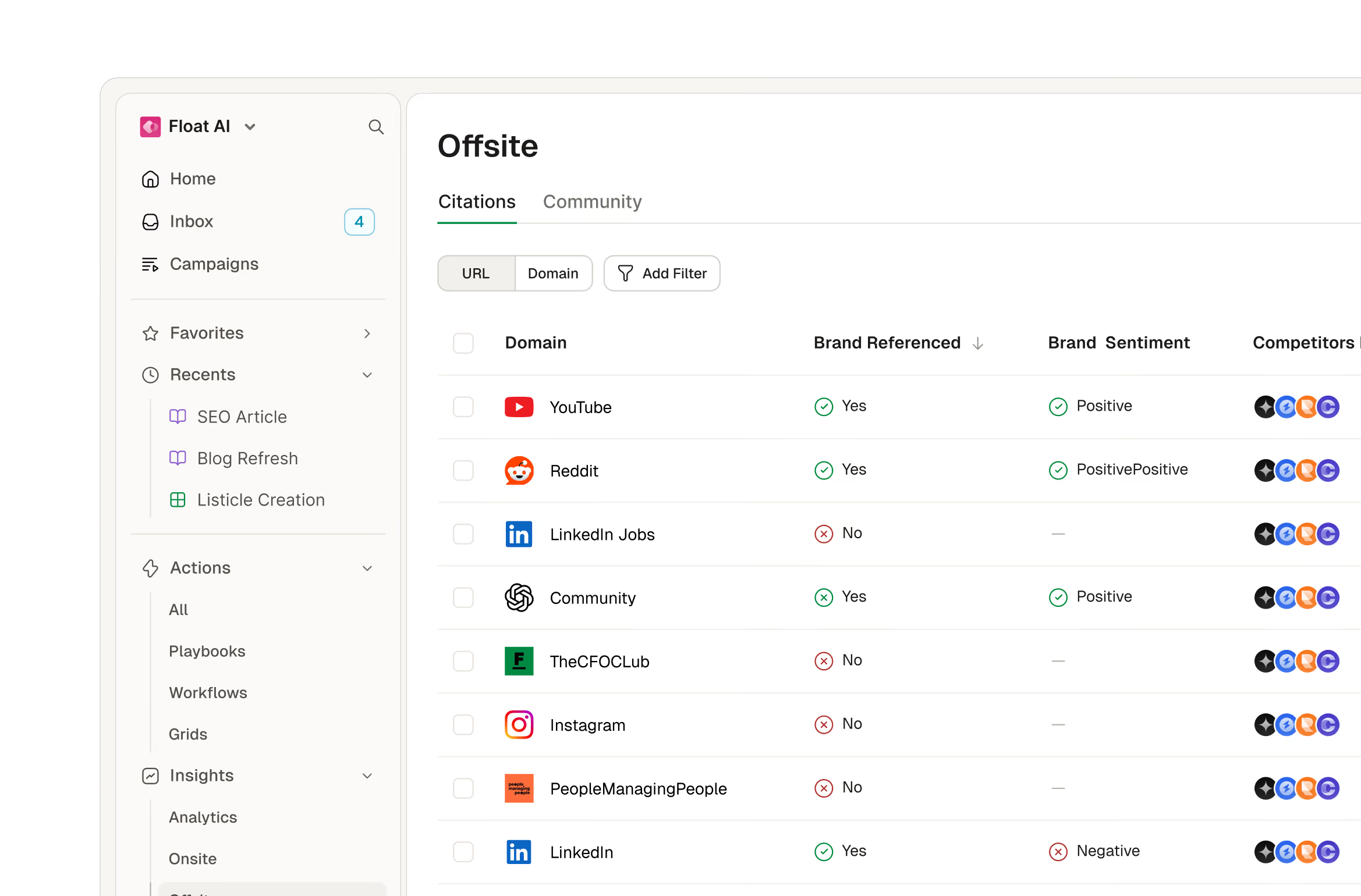
Coordinate growth actions across channels in one place
Trace every action from forecast to revenue
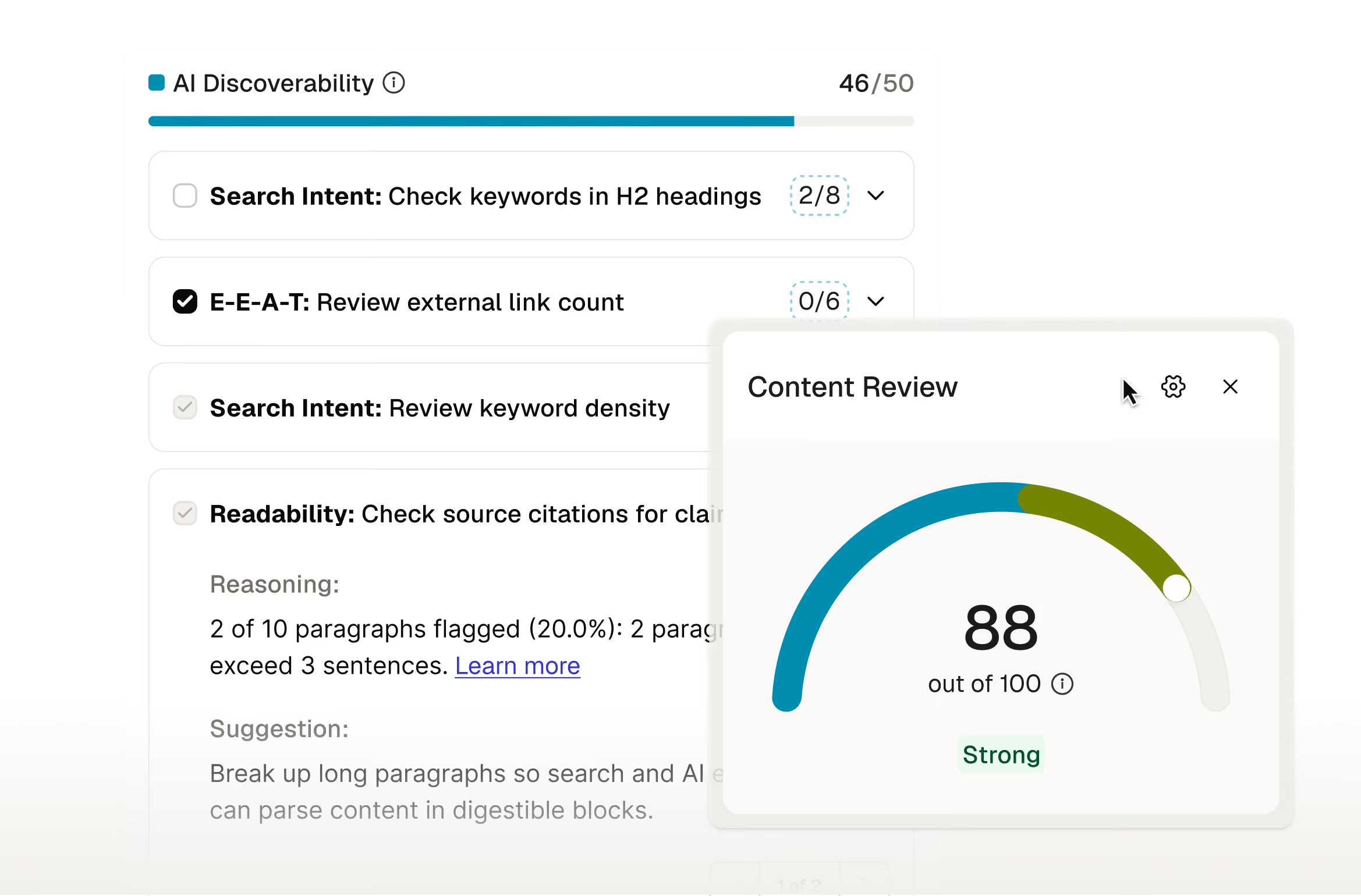
Predict content readiness before shipping
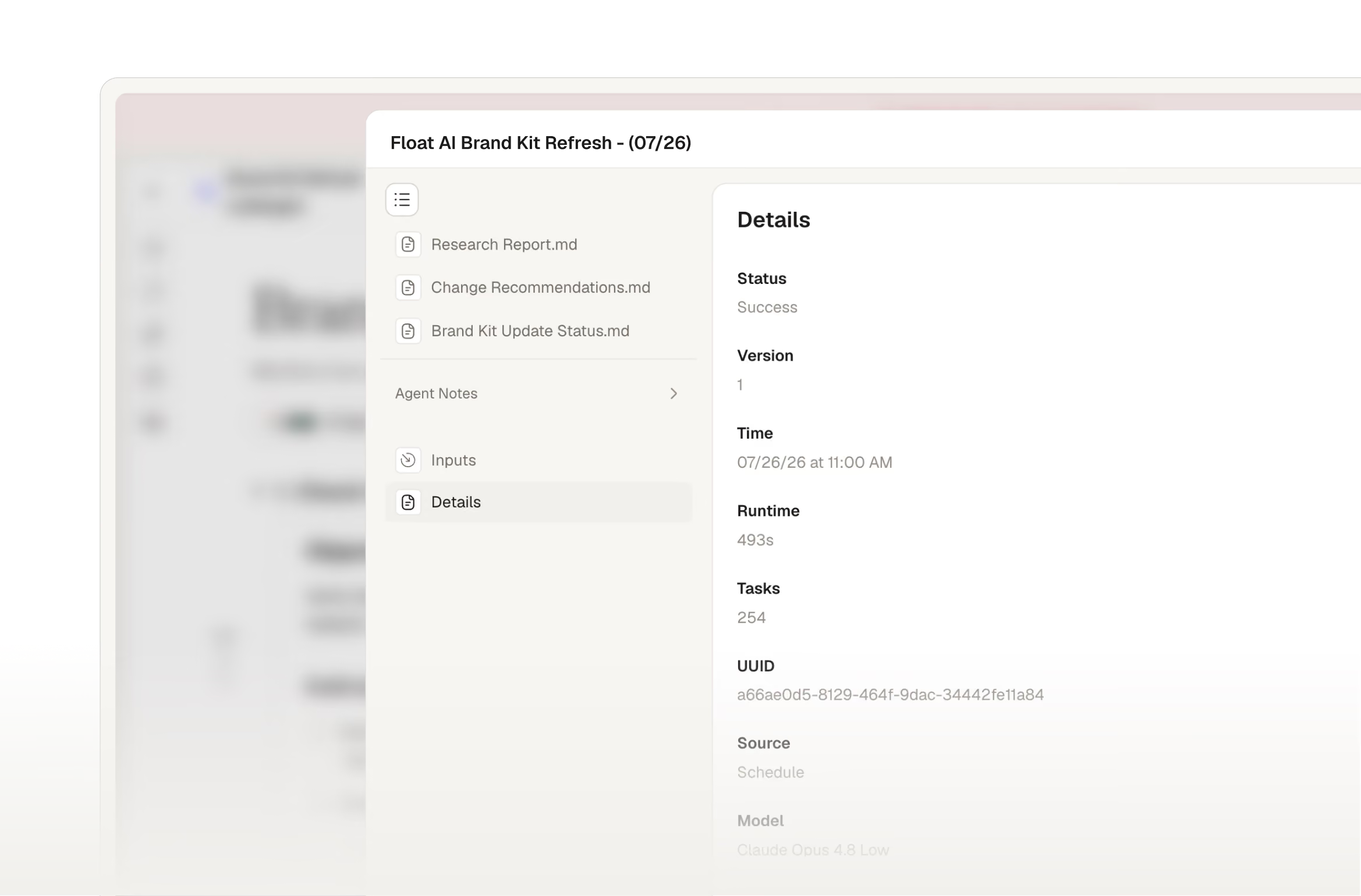
Know exactly what changed and when
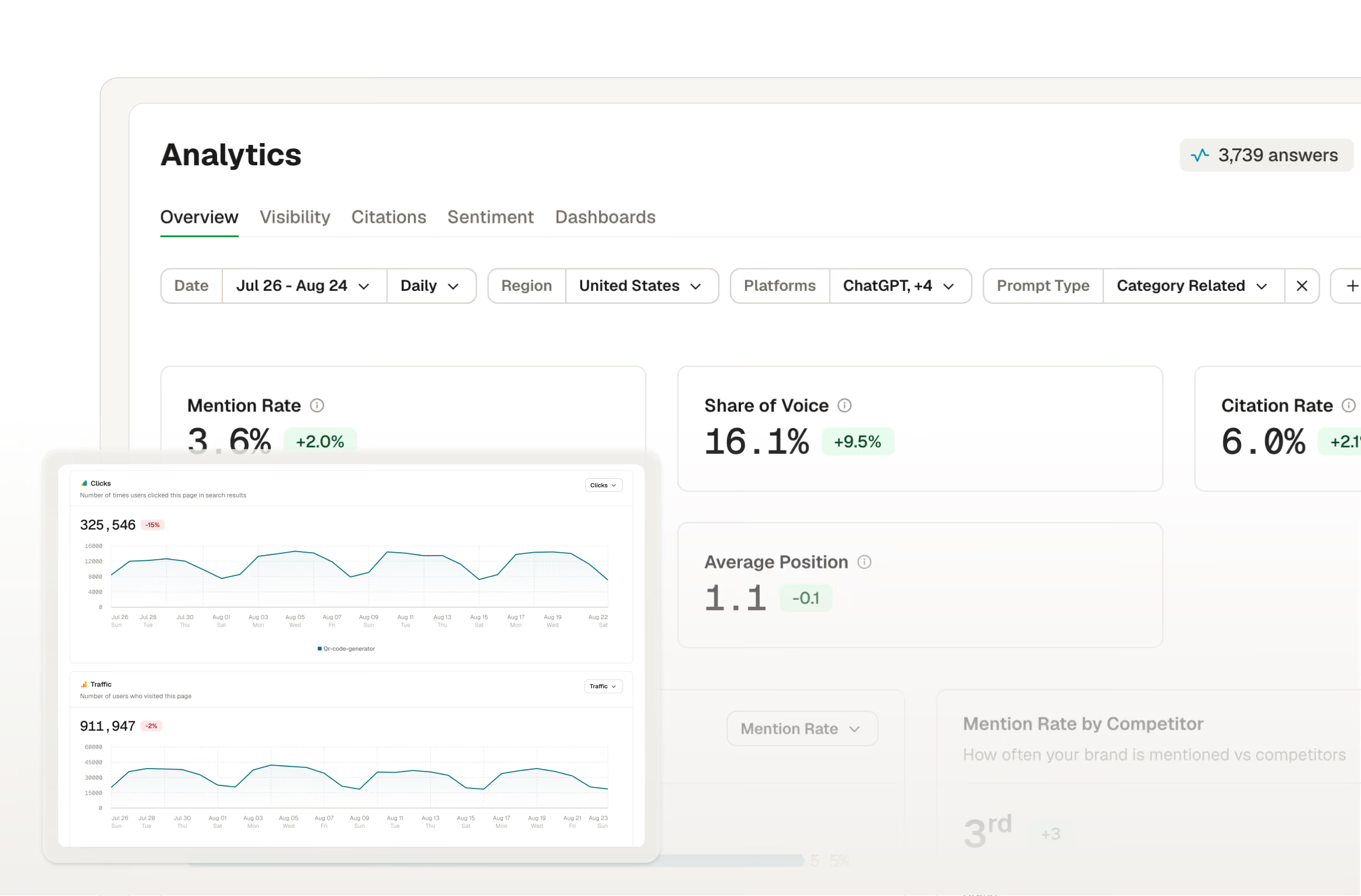
See which opportunity gaps closed, and what happened next
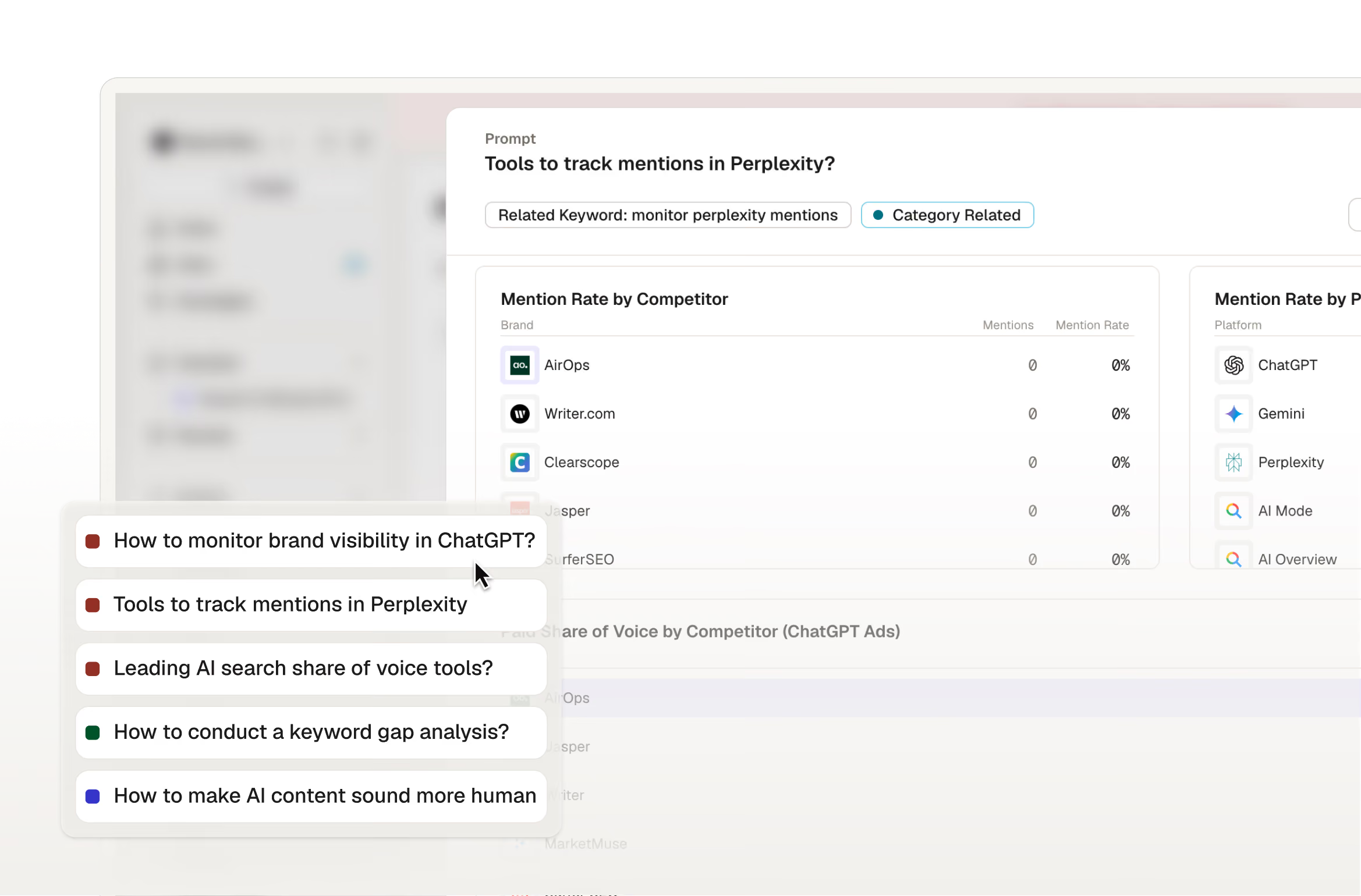
Connect AI discovery to revenue attribution
Turn the AI Search buyer shift into a category advantage
Pricing Plans
Solo
- ChatGPT Insights Only
- 35,000 Tasks for Content Production
- 1 Brand Kit, 3 Knowledge Bases
- Basic CMS & SEO Integrations
- Community & Live Chat Support
- Single-User Access
Pro
- Insights Across 7+ Answer Engines
- 100,000 Tasks for Content Production
- 1 Brand Kit, 5 Knowledge Bases
- CMS, SEO, AEO, Social & Project Integrations
- Community & Live Chat Support
- Unlimited Seats for Your Team
Enterprise
- Custom Prompts & Pages Limits
- Multiple Regions, Personas & Languages Tracked
- Custom Agent Builds
- Custom Task Limits
- Unlimited Knowledge Bases & Brand Kits
- Dedicated Account Manager & Training
- 1:1 Expert Onboarding
- Unlimited Seats & Collaboration Functionality
"We were able to focus our energy on the highest-value initiatives for the business in a matter of weeks."
SVP of Growth, Chime

“We set out to change the narrative around Sanity in AI search, not just show up more often. Staying the brand the models name most, and climbing in the categories that matter, is exactly the signal we were after, and we can see it happening week to week.”
Principal, Agentic Operations & Growth Marketing, Sanity
“If we wanted to 10x the growth we were starting to see, we needed a system that handled SEO, AEO, content production, all of it. AirOps was the first to actually deliver results.”
Head of Growth, Venn
Frequently Asked Questions
What is AI search visibility?
What is AI search visibility?
AI search visibility measures how often your brand is mentioned, cited, or recommended inside AI-generated answers from engines like ChatGPT, Gemini, Perplexity, and Google AI Overviews. It quantifies your presence in the answer layer of search, where users increasingly stop before clicking through to websites.
How do you track AI search visibility across AI engines?
How do you track AI search visibility across AI engines?
Tracking requires running consistent prompts across each AI engine on a recurring cadence and capturing every brand mention, citation, and ranking position in the response. The core metrics are citation share, mention rate, average position, sentiment, and share of voice against competitors. Manual tracking does not scale. Most teams need a dedicated platform to monitor thousands of prompts across multiple engines daily.
What is a good AI search visibility or citation rate?
What is a good AI search visibility or citation rate?
There is no universal benchmark. What matters is your share of voice relative to direct competitors on the prompts that drive your buying decisions. A 40% citation rate on irrelevant prompts is worth less than a 15% citation rate on high-intent commercial prompts. Prioritize relevance and competitive context over absolute numbers.
Which AI engines should you track?
Which AI engines should you track?
At minimum: ChatGPT, Google AI Overviews, Perplexity, and Gemini. Add Claude, Grok, and Microsoft Copilot depending on audience. ChatGPT and AI Overviews drive the largest share of AI search volume today, but coverage across engines matters because users do not stay loyal to one. Tracking only one engine creates blind spots.
What is the difference between AI search visibility and AI search optimization?
What is the difference between AI search visibility and AI search optimization?
Tracking measures where you stand. Optimization changes where you stand. A visibility tracker shows citation rates, prompt gaps, and competitive position. An optimization platform takes that data and drives action: content updates, offsite citations, and prompt-level recommendations that improve visibility over time. Tracking without action does not move the metric.
What should an AI search visibility platform actually do?
What should an AI search visibility platform actually do?
A complete platform should monitor brand citations across all major AI engines, surface the prompts and topics where competitors are winning, track sentiment and context of each mention, benchmark performance against competitors, and connect insights to specific actions (onsite content, offsite presence, prompt coverage). Look for platforms that close the loop from tracking to execution, not tools that stop at dashboards.